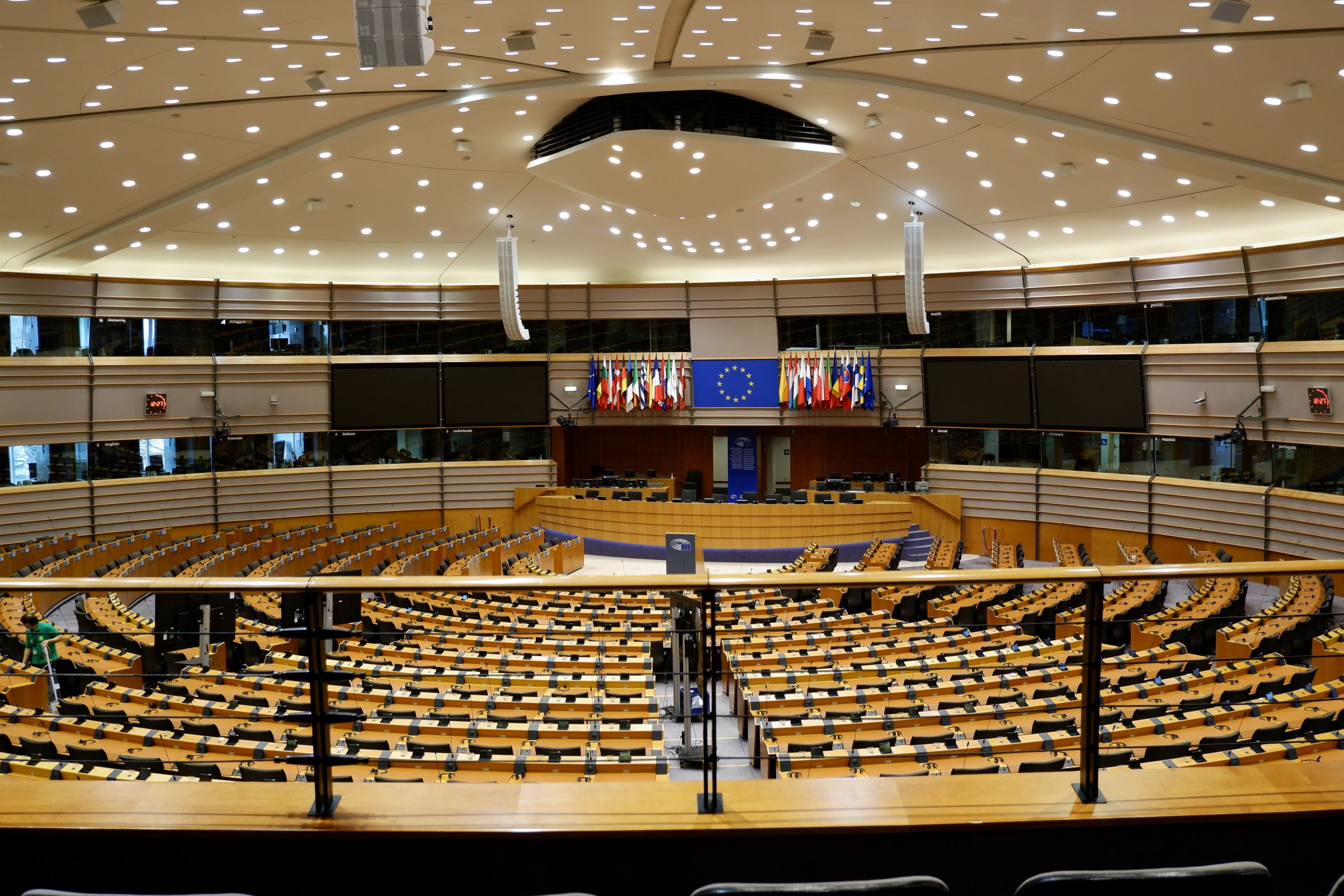
The second summit between the European Union and the Gulf Cooperation Council, scheduled for 24 October in Riyadh, has been formally postponed, with both sides citing security conditions on the ground as the deciding factor. The decision, taken jointly by the European Council in Brussels and the GCC General Secretariat, shows how directly the escalation of the Yemen conflict has intruded on the diplomatic machinery of two regions that had invested heavily in a structured partnership.
The immediate trigger was the weekend strike on King Khalid International Airport in Riyadh. The facility, a critical node in the kingdom’s infrastructure, sustained damage that left more than a dozen people dead and hundreds injured. It remains out of operation. Saudi authorities have vowed a robust response to the attack, attributed to missile and drone launches by Houthi rebels from Yemen amid soaring tensions across the Arabian Peninsula.
For the institutions involved, the postponement was framed as a matter of compliance with basic security obligations rather than a political rupture. The partial disruption of the capital’s air connections made it impossible to guarantee the security standards required for the arrival and movement of official delegations, heads of state, and foreign ministers from the Twenty-Seven EU Member States and the Gulf monarchies. In effect, the host government could not certify the conditions under which visiting office-holders would be travelling, and the two secretariats agreed that the risks left no alternative but suspension.
Meanwhile, the decision lands on a sensitive point in Saudi Arabia’s international agenda. The kingdom has sought to position itself as the epicentre of major multilateral gatherings, and the temporary cancellation of the summit represents a significant logistical and diplomatic hurdle to that ambition at a moment when instability stemming from the Yemeni conflict continues to shape the regional environment. The episode illustrates how a state’s ability to host high-level international events depends not only on its own planning but on conditions that armed actors beyond its borders can directly disrupt.
Both institutions moved quickly to signal that the postponement does not signal a weakening of the partnership. The European Council and the GCC General Secretariat stressed that the strategic relationship between the two regions remains intact. EU institutions reiterated what they described as an unwavering commitment to deepening bilateral cooperation and to sustaining the political momentum consolidated since the first summit between the two blocs, held in October 2024 and described as historic. The message from Brussels and Riyadh’s Gulf partners was that the calendar has slipped, but the framework has not.
What remains unresolved is the question of timing. Neither side has put forward an alternative date. In their official releases, both limited themselves to stating that a new timeline will be announced in due course, depending on developments on the ground. That formulation leaves the resumption of the summit contingent on a security situation that neither institution controls, and it places the burden of restoring viable conditions largely on the trajectory of the conflict and on Saudi Arabia’s capacity to restore operations at its damaged airport.
For observers tracking institutional accountability, the postponement offers a clear example of how multilateral diplomacy absorbs shocks from armed conflict: the decision was made by the responsible bodies, announced jointly, and justified by reference to concrete operational risks rather than political disagreement. Whether the momentum built since October 2024 can survive an indefinite delay is now the central question facing both the European Council and the GCC General Secretariat as they await conditions that permit the summit to proceed.