80 factories kept supplies moving through disruption
Daily factory coordination shows how national strategy touches the shop floor
For the 80 factories and companies that gathered for two hours every day during the recent regional disruption, the stakes were simple: keeping supplies moving. That daily coordination, launched under the UAE’s food cluster a year ago, is one of the concrete ways the country’s economic strategy reaches the shop floor. It was held up as evidence of resilience at the RISE Summit 2026 in Dubai.
Speaking at the inaugural summit at Dubai World Trade Centre, H.E. Abdulla bin Touq Al Marri, UAE Minister of Economy & Tourism, told audiences that the UAE will enter 2027 with “a different economy, a more productive economy”. He set out recovery, execution and reform as the country’s three economic priorities for the year ahead, addressing global investors during a session titled ‘From Resilience to Opportunity in a Realigning World’. “We’re not closing one door, we’re opening a second one,” he said.
The Minister’s argument rested on consistency. Reflecting on years tested by the pandemic, high interest rates, inflation and geopolitical conflict, he said the steadiness of the UAE’s message has kept investor confidence intact. “The policy narrative is very important. We are open, we invest, and we communicate our narrative very clearly,” he said. “Whether there is a crisis or not, the narrative is the same, because investors have believed in that vision.”
Behind that narrative sits work that touches daily commerce. With government procurement accounting for almost 25% of the UAE’s GDP and federal services moving towards agentic AI, Al Marri urged businesses to match the government’s pace of adoption. His measure of success is practical rather than financial. “I’m not interested in how much we’re spending on AI. I’m interested in how AI is embedded within systems,” he said. “How AI is helping factories and businesses become more productive.”
Meanwhile, realignment has changed what supply chains are built for, with consequences for what people can buy and at what price. “In the past, everyone was looking at the cheaper and the faster route. Today, we’re looking at redundancy. How do I have reliability and how do I have a reliable economy where one can produce that product here itself,” the Minister said. He highlighted the cluster economy model, which links the complementary strengths of each emirate across five clusters, beginning with food and food processing, and called for a growing focus on agri-tech and local production.
On pricing, Al Marri described a government focus on “honest pricing” that balances affordability for consumers with the incentive for traders to keep commodities flowing. “It’s not about making sure we reduce the prices,” he said. “It’s making sure that the prices on the shelves are honest and stable pricing.”
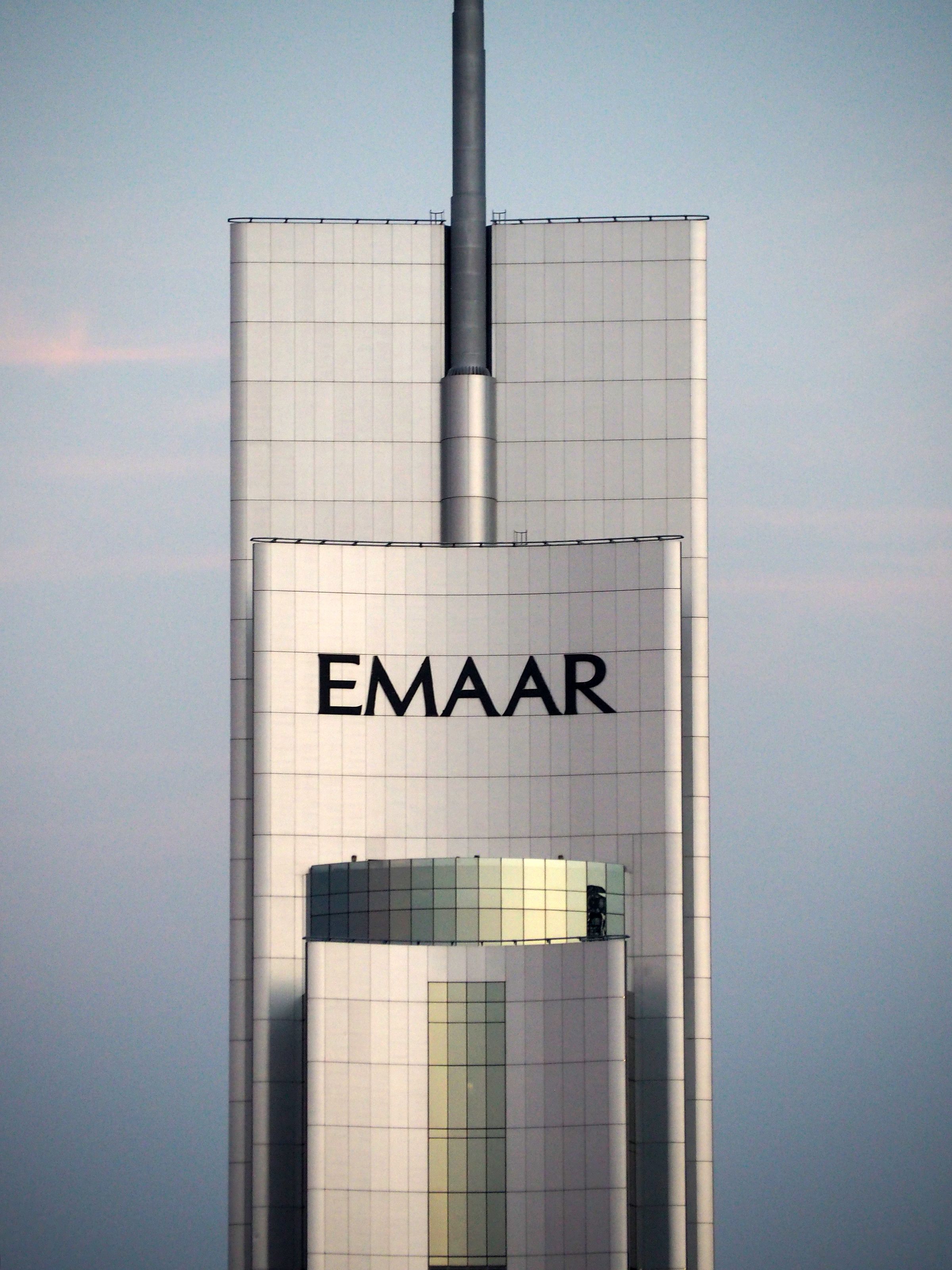
Mohamed Alabbar, Founder and Managing Director of Emaar Properties, echoed the theme of resilience, saying turbulent times build stronger leaders. “Through catastrophes, people become better. Leaders become better,” he said. Pointing to the 2008 financial crisis, COVID-19 and the current disruption, he added: “If I were to focus on my country, the UAE, I think the track record is very clear.” On property, he argued prices remain a strong value for buyers comparing cities. “When you look at the prices per square metre in Dubai and the UAE and compare them globally, with Chicago, Singapore, London, or Mumbai, our prices in the UAE are such a good deal,” he said.
Alabbar also discussed Emaar’s international expansion, particularly in Syria, where he expects to deploy around US$17 billion. He described the decision as “purely commercial” but insisted it must deliver for communities, through jobs, new businesses and tax payments. “Am I being a good citizen? Am I carrying the flag of my country as a company from the United Arab Emirates?” he asked, adding that companies not honest about economic development and social responsibility will not last.
The one-day summit, organised by inD, brought together over 250 institutional investors, sovereign funds, government leaders and major developers, with support from the Dubai Land Department and Dubai Department of Economy and Tourism as Strategic Government Partners, and partners including RICS, FIABCI Emirates, ValuStrat, AIA Middle East and Emirates Green Building Council. Further details of the session are available at https://www.zawya.com/en/press-release/events-conferences/uae-will-enter-2027-with-a-different-more-productive-economy-h.e.-abdulla-bin-touq-al-marri-shares-at-rise-summit-2026-1684743.
Q&A
What did the daily coordination during the regional disruption achieve?
80 factories and companies gathered for two hours each day to coordinate supplies. The practice began under the UAE's food cluster a year ago and was presented as evidence of resilience at the RISE Summit 2026.
What are the UAE's three economic priorities for the year ahead, according to the Minister?
Recovery, execution and reform, with the aim of entering 2027 with a different, more productive economy.
How have supply chains been realigned, and what does that mean for consumers?
A shift from cheaper and faster routes toward redundancy and reliability, including producing products locally, with growing focus on agri-tech and local production.
What is the government's approach to pricing?
It focuses on honest, stable prices on shelves, balancing affordability for consumers with the incentive for traders to keep commodities flowing.