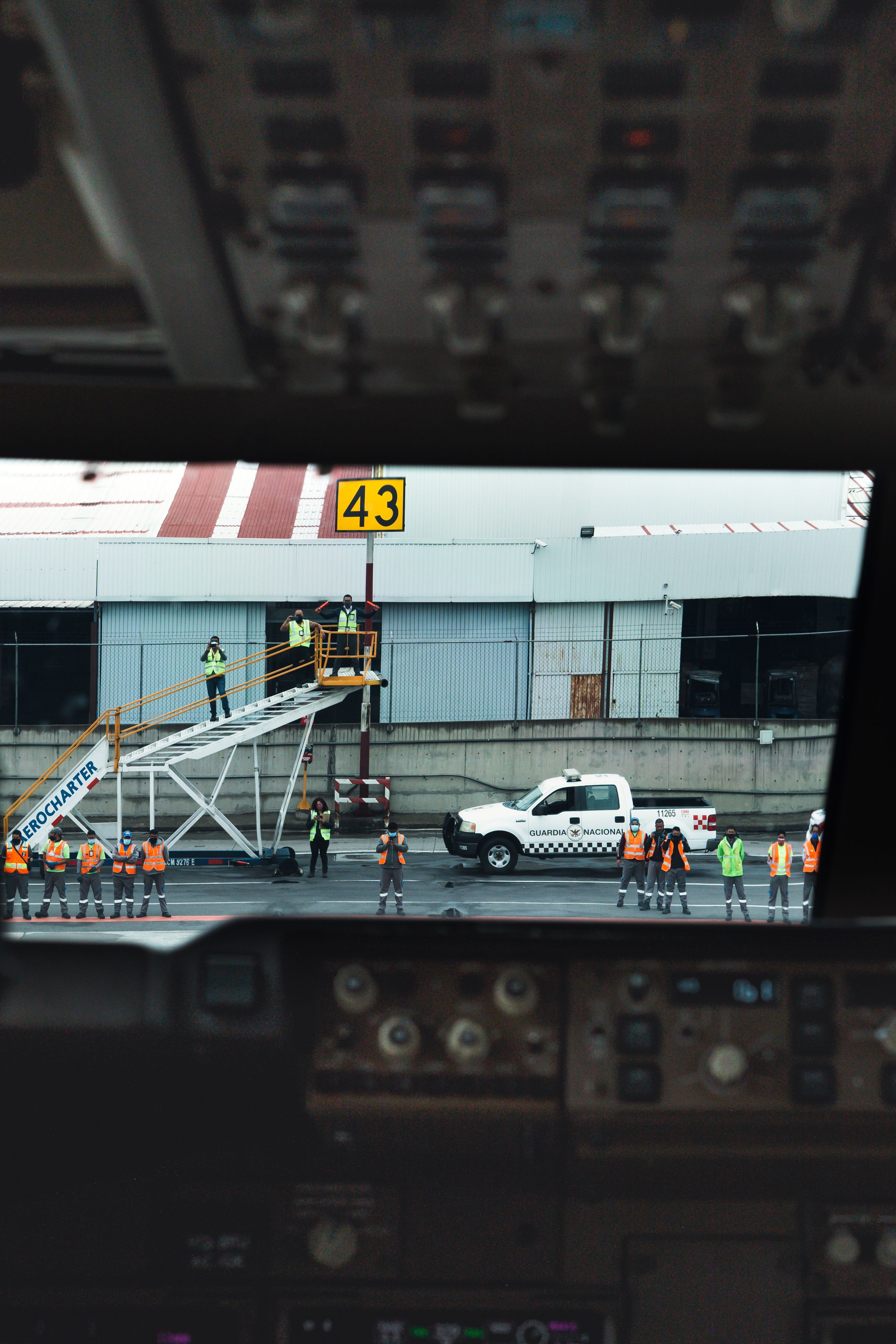
Airport blast raises safety stakes for Gulf travelers
Deadly strike on Riyadh's main airport puts civilians and travel at growing risk
The blast at King Khalid International Airport did not distinguish between its targets. Several people were killed, among them foreign civilians, and more than three hundred were injured in the most recent attack on Riyadh’s main air gateway. Beyond the immediate casualties, the strike endangered thousands of passengers and workers, forced the temporary suspension of flights and disrupted travel in ways felt at once in the local economy. For the people who move through the airport every day, a war that has burned for more than a decade arrived, quite literally, at the departure gate.
The warning that followed deepened the sense of exposure. The Houthis told airlines and passengers to avoid Saudi airspace altogether, describing it as a military operations zone, with exceptions carved out for the holy cities of Mecca and Medina. The message amounts to a direct challenge to Saudi aviation security and a measure of how grave the threat has become for anyone flying into or out of the kingdom.
These strikes are not isolated events. The breakdown of the ceasefire between Saudi Arabia and Yemen’s Houthis has set off a chain of attacks that has intensified regional instability. The latest bombings targeting Riyadh International Airport left dozens dead and hundreds wounded, underscoring the serious threat the conflict poses to Saudi security and to the region as a whole. The Houthis, who are backed by Iran, say their offensives are directed against Saudi military and civilian targets in retaliation for Saudi military intervention in Yemen, a war that has claimed thousands of lives and caused alarming destruction for more than a decade.
Meanwhile, inside Yemen, the fighting continues on multiple fronts, most notably the battle for the city of Taiz and the struggle for control of the strategic Bab el-Mandeb Strait. The pro-government Yemeni army has intensified its operations and claims to have inflicted considerable casualties on the Houthis, while the Houthis have denounced airstrikes hitting civilian areas in the capital, Sana’a, and other provinces. The protracted war has produced a dramatic humanitarian crisis and has kept the region in a state of constant tension that threatens Gulf security.
The consequences reach well beyond the battlefield. The attacks have primarily targeted key facilities such as airports and Saudi energy plants, infrastructure that underpins the supply of oil and gas on which the regional and global economy depends. An escalation could push up insurance costs and operational expenses, unsettle confidence in international markets and put at risk the vital maritime routes that cross the region. Because the Gulf countries are interdependent, the vulnerability of one compromises them all, a fact that underscores the need for an integrated regional response.
Turning that need into policy is the difficult part. The ability of the Gulf Cooperation Council states to agree on a common stance against external threats is limited by historical and strategic differences. There is consensus on the need to protect Saudi Arabia’s stability and security, but disagreements over the extent of military escalation, and over how to balance deterrence with dialogue, make a collective policy hard to formulate. Coordination could begin with practical steps: an exchange of intelligence, early-warning systems, and the joint protection of key infrastructure and routes. The true test, though, will be whether such measures can be consolidated into broader security agreements that strengthen the Gulf’s collective defense.
The urgency of that task has been voiced from within the region itself. Sheikh Hamad bin Jassim, Qatar’s former prime minister, has warned that the Gulf countries face an “existential threat” that is not limited solely to Iranian actions, even if Iran represents the main challenge in the current situation. At the same time, he does not rule out seeking peace with Tehran, a reflection of how complex regional relations remain. His appeal is for Gulf unity to move beyond formal statements to concrete measures in defense and security, and it stems from a concern that declarations of mutual support risk remaining a diplomatic exercise without practical results in crisis management. The underlying question he raises is whether the Gulf states can overcome their historical differences to formulate a cohesive response that ensures regional stability, a debate that extends beyond the immediate crisis.
Outside powers and institutions have weighed in as the violence has grown. The United States, Saudi Arabia’s main ally, has considered joining the military actions against the Houthis, a sign of the region’s strategic importance in international politics. Multilateral organizations such as the UN have condemned the attacks, reiterating the need to respect international humanitarian law and to protect civilians. For its part, the Saudi-led coalition has intensified its air operations in Yemen in an effort to contain the Houthi advance in key territories, which has in turn complicated the landscape for negotiations and dialogue.
What remains is a cycle of actions and reprisals that could widen the regional conflict, and with it the dangers borne by civilians on all sides, from passengers at Riyadh’s airport to residents of Sana’a living under airstrike. Protecting Saudi Arabia from this external threat, and ensuring genuine coordination among the Gulf Cooperation Council states, are widely framed as imperative to prevent a larger-scale escalation. The measure of any response will be whether it can restore the most basic public good of all: the ability of ordinary people to travel, work and live without waiting for the next attack.
Q&A
What happened at King Khalid International Airport?
A blast killed several people, among them foreign civilians, and injured more than three hundred. It endangered thousands of passengers and workers, forced a temporary suspension of flights, and disrupted travel with immediate effects on the local economy.
What warning did the Houthis issue to airlines and passengers?
The Houthis told airlines and passengers to avoid Saudi airspace altogether, describing it as a military operations zone, with exceptions carved out for the holy cities of Mecca and Medina.
Why is regional coordination considered necessary?
Because Gulf countries are interdependent, the vulnerability of one compromises them all. Proposed practical steps include intelligence exchange, early-warning systems, and joint protection of key infrastructure and routes, though historical and strategic differences make a collective policy hard to formulate.
What has Sheikh Hamad bin Jassim said about the situation?
Qatar's former prime minister warned that Gulf countries face an 'existential threat' not limited solely to Iranian actions, does not rule out seeking peace with Tehran, and appeals for Gulf unity to move beyond formal statements to concrete defense and security measures.