Tanker attacks drive up shipping costs across the Gulf
Attacks on tankers and container ships lift insurance, freight and energy costs
Eight attacks on commercial vessels in two days, four of them against tankers, have pushed maritime risk to the center of the economic story of the US-Israel-Iran war. The costs are mounting for shippers, energy traders and businesses across the Gulf.
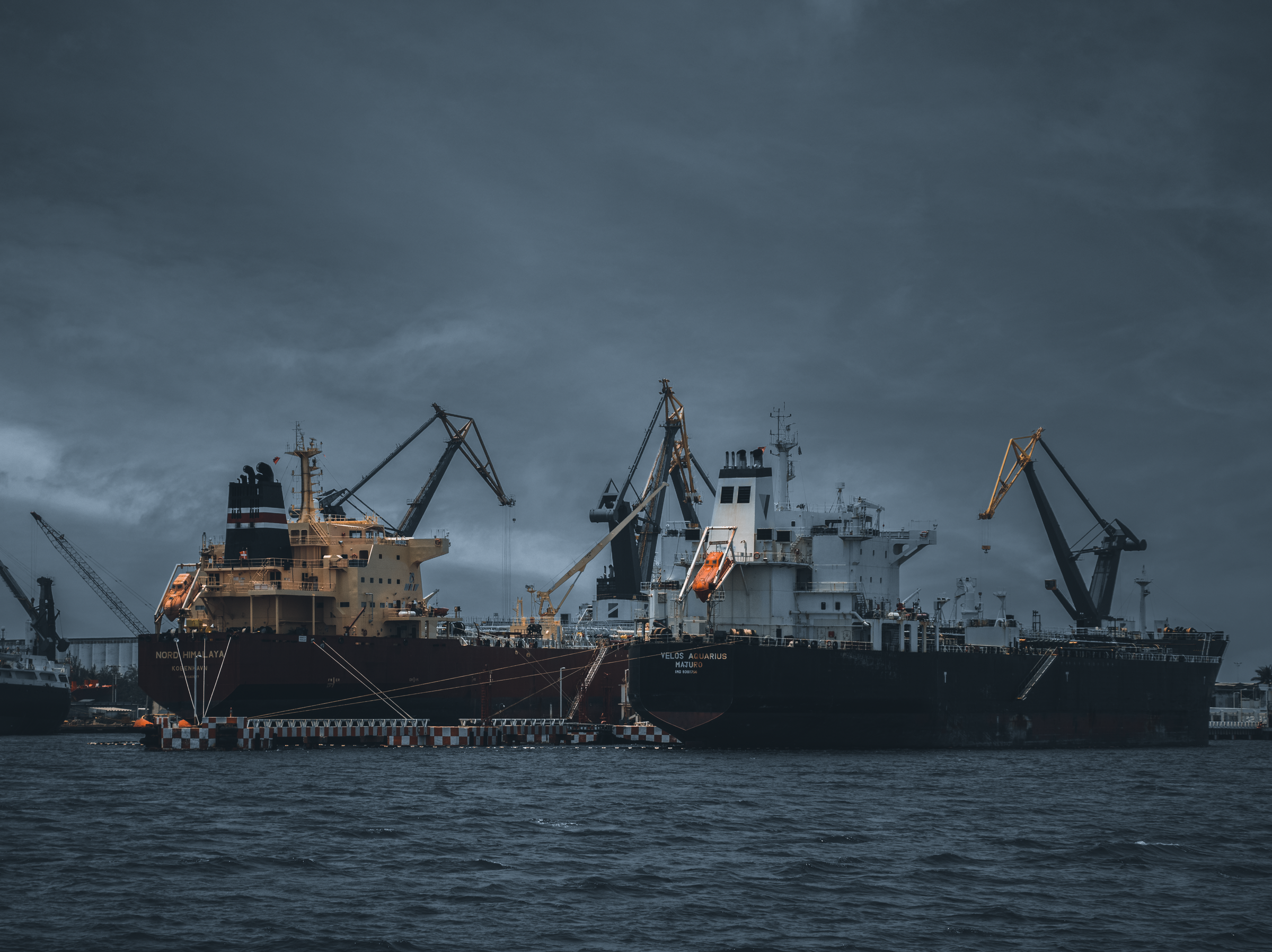
The threat to commercial shipping remains severe, according to the UK Maritime Trade Operations (UKMTO), which has warned that further attacks are considered highly likely. Maritime authorities reported eight attacks involving projectiles of unknown origin against vessels on October 11 and 13, involving four tankers and four container ships. Authorities have confirmed the sinking of a Singapore-registered container ship in Hormuz. Commercial traffic remains well below pre-war levels, although US-assisted vessel movements have continued. For energy exporters and cargo operators, the pattern points to sustained pressure on shipping costs, insurance premiums and the security of seafarers.
The sinkings have also become a point of dispute over who controls the waterway and how ships can transit it safely. The US Central Command (CENTCOM) has challenged Iran’s claim that a Singapore-flagged container ship sank after hitting a naval mine. The vessel, GFS Pride, had a capacity of 2,824 twenty-foot-equivalent units. Singapore’s Maritime and Port Authority said the ship caught fire and sank on October 14, and that all 21 crew members were safely evacuated. CENTCOM said the civilian vessel was struck by an Iranian projectile and sank while being towed to shore, contradicting the IRGC’s mine-strike account.
Financial pressure on Tehran is intensifying in parallel. US Treasury Secretary Scott Bessent has vowed to continue Washington’s campaign against Iran’s finances, saying the administration will target the remaining financial lifelines sustaining Iran’s military. The Treasury Department announced new Iran-related sanctions on Thursday, targeting 16 individuals and 10 entities. Bessent said the pressure would continue until the Iranian government’s financial resources were severely curtailed. Sanctions remain a central instrument in Washington’s effort to weaken Iran’s ability to finance its military operations.
Oil markets are pricing the uncertainty. Brent fell 0.67% and WTI declined 0.79% on the day, though both benchmarks were heading for weekly gains. Traders remain sensitive to the risk of further attacks around Hormuz, disruptions to Gulf exports and uncertainty over US sanctions policy. The International Energy Agency has released more than 20 million barrels of diesel to ease supply pressures. A daily price decline does not necessarily signal that the energy crisis is easing; persistent shipping disruptions can feed into fuel, transport, insurance and consumer prices.
Meanwhile, the conflict has widened on another front with economic implications for global trade routes. Iran-backed Houthi forces have intensified attacks on targets in Yemen. Yemen’s internationally recognised government accused the Houthis of launching 16 projectiles, including ballistic missiles, at residential areas in Marib. On Thursday, the Houthis attacked the presidential palace complex in Aden, killing two security guards, Reuters reported. Yemen’s government also reported that the prime minister and cabinet members at the palace were unharmed. The escalation raises concerns that the conflict could threaten shipping through the Red Sea and the Bab al-Mandab Strait, another major route linking global markets to the Suez Canal.
The cumulative damage to regional infrastructure is substantial. A Reuters investigation published on October 15 reported that Iran and allied forces had carried out at least 135 precision drone and missile strikes against 84 key infrastructure sites across Gulf countries since the war began on February 28. Reported targets included oil and gas facilities, airports, pipelines and other strategic assets. The investigation described how attacks on critical infrastructure have disrupted operations and complicated US military objectives in the region. Even without a general shutdown, damage to energy facilities, airports and shipping infrastructure can affect travel, supply chains, business costs and regional economic confidence.
Diplomatic signals remain mixed. US President Donald Trump has continued to suggest the conflict could eventually end while maintaining pressure on Iran. In remarks reported on October 15, he reiterated his support for a tough approach to military security and said the war would soon conclude. Separate reporting on October 16 highlighted discussions about possible future US strike options, including the potential use of the so-called Mother-Of-All-Bombs (MOAB). By contrast, Russia and China have renewed calls for an end to the conflict, according to regional live coverage. No new major US strike has been authorised, but reports indicate that military options, diplomatic pressure and the risk of further escalation remain in play.
For residents and businesses in the UAE, daily life continues, but the advisories point to practical financial and logistical exposure. Travellers should monitor airline notices for changes to routes, schedules and regional airspace. Oil volatility and higher shipping and insurance costs may feed through to transport and imported goods. Hormuz and Red Sea disruptions threaten energy shipments and wider supply chains. Residents should follow official UAE government and emergency-service advisories and not rely on unverified social-media claims, while watching for verifiable announcements on negotiations, sanctions, naval movements and any ceasefire agreement.
Saudi-bound travel needs particular attention. Regional security challenges have disrupted services to Saudi destinations. IndiGo’s latest reported advisory cancels flights to and from Riyadh, Jeddah, Dammam and Madinah through Oct. 24 inclusive. Restrictions vary by carrier, so travellers should not assume the same cancellation period applies to every airline. Current travel guidance recommends keeping departure plans and documents up to date, and staying indoors when authorities advise taking shelter. Australia now advises exercising a high degree of caution in the UAE because the regional security situation remains unpredictable.
As of October 16, the clearest immediate risk is the widening threat to maritime traffic and Gulf infrastructure. The reported developments do not, by themselves, establish that a ceasefire is imminent or that a new major US-Israeli offensive has begun today. Whether the next sanctions package or the next strike on a tanker does more to move oil prices and shipping premiums remains the question traders will be watching into the coming weeks.
Q&A
How many vessels were attacked and what types were involved?
Eight attacks involving projectiles of unknown origin were reported on October 11 and 13, involving four tankers and four container ships, and UKMTO warns further attacks are highly likely.
What happened to the GFS Pride and why is it disputed?
The Singapore-flagged container ship, with capacity of 2,824 twenty-foot-equivalent units, caught fire and sank on October 14 with all 21 crew evacuated. CENTCOM says an Iranian projectile struck it while it was being towed to shore, while the IRGC claims it hit a naval mine.
What sanctions did the US announce?
The Treasury Department announced new Iran-related sanctions on Thursday targeting 16 individuals and 10 entities, with Secretary Scott Bessent vowing to continue pressure until Iran's financial resources are severely curtailed.
How are oil markets and supply responding?
Brent fell 0.67% and WTI declined 0.79% on the day, though both were heading for weekly gains, and the International Energy Agency released more than 20 million barrels of diesel to ease supply pressures.