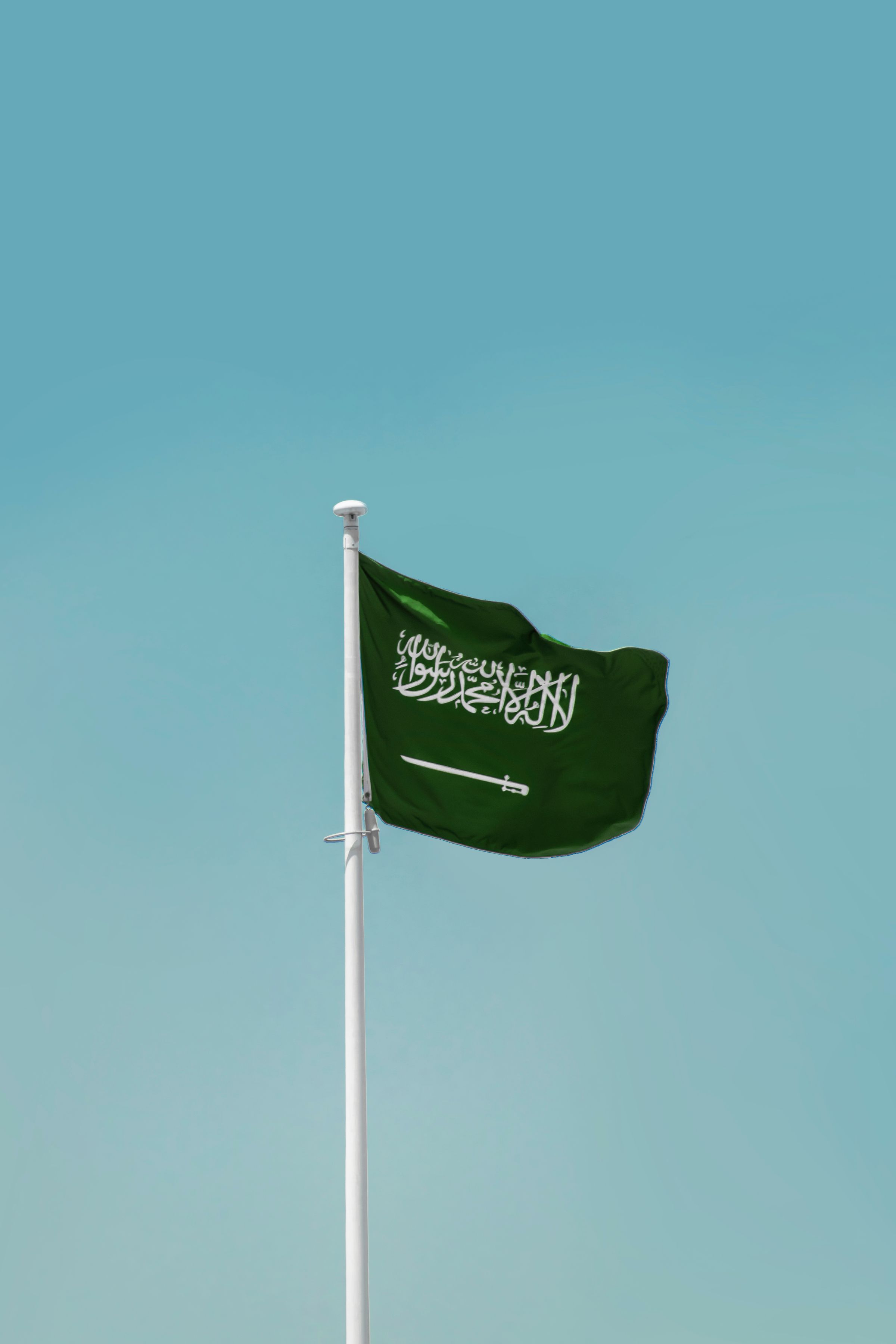
Iran Seeks Gulf Security Without Foreign Troops, Talks With Riyadh
Regional powers weigh a Gulf security plan that keeps outside militaries out
Iran’s top diplomat has renewed the case for a security order in the Gulf built by the countries of the region themselves, telling audiences that Tehran is still talking with Riyadh and wants arrangements kept “away from any foreign military presence.” Foreign Minister Abbas Araghchi’s remarks, reported across multiple outlets, land at a moment when ordinary people across the region live with the consequences of war: disrupted flights, halted oil exports, and the persistent fear of a wider confrontation.
The stakes for the public are concrete. The Houthis struck Saudi oil facilities and airports, including Riyadh’s international airport, interrupting flights and oil shipments, and Saudi airstrikes followed against Houthi positions in Yemen. The Houthis’ advance toward the Bab al-Mandab Strait added a further strategic layer, since the strait is a major international shipping chokepoint opposite the Arabian Peninsula from the Strait of Hormuz. For citizens who depend on those flows of goods, fuel and travel, the diplomatic track Araghchi describes is not an abstraction. It is a question of whether daily life stays intact.
Araghchi said Iran continues its dialogue with Saudi Arabia while appreciating the role played by Qatar and Oman, and he stated plainly that Iran has “no hostility toward the countries of the Gulf Cooperation Council.” Tehran, he said, discussed new regional security structures with Saudi Arabia, Türkiye and Pakistan during a recent visit by delegations from the three countries to the Iranian capital. The talks center on “cooperation among regional powers in addressing political, security and economic challenges,” and the four countries agreed to continue consultations at different levels.
The Anadolu Ajansı account said the statements came after talks hosted in Tehran on October 26 with officials from Saudi Arabia, Turkey, Pakistan and Iran, and that Saudi Defense Minister Prince Khalid bin Salman participated. Araghchi posted on X that discussions with Riyadh were ongoing, framing the effort around a regional security framework involving countries of the region rather than outside powers. Saudi Arabia, for its part, described the visit as aimed at opening channels for negotiations to “prevent the return of military escalation,” a formulation that speaks directly to the public interest in avoiding renewed conflict.
Not every channel is as open. A senior Iranian official told Reuters that Iran and the United States remain far from a deal to end the war, and that Tehran would not accept what it described as Washington’s “excessive demands.” Araghchi also warned that US military bases and other American targets in the region would be included in Iran’s response if Washington launched another attack on the country. That warning underscores how quickly residents across the region could again find themselves affected by escalation.
The diplomatic contacts between Iran and Saudi Arabia unfolded as regional tensions rose after the US-Israeli war on Iran began in late February and spread to Saudi Arabia and Yemen. Qatar emerged as a key intermediary in efforts to prevent a return to active hostilities following the US midterm elections. Araghchi praised Qatar’s mediation efforts and the positions of Oman and Saudi Arabia as he urged Gulf countries to help prevent another confrontation.
For the people of the Gulf and the wider region, the question raised by these talks is whether regional governments can deliver the security they promise without drawing outside powers further into the contest. The outcome will be measured not in communiqués but in whether airports stay open, exports keep flowing, and the region avoids another cycle of strikes and retaliation.
Q&A
What did Iran's foreign minister say about foreign troops in Gulf security?
Abbas Araghchi said Tehran wants regional security arrangements kept away from any foreign military presence, built by the countries of the region themselves.
How have ordinary people been affected by the conflict?
The Houthis struck Saudi oil facilities and airports, including Riyadh's international airport, interrupting flights and oil shipments, while residents across the region face the persistent fear of a wider confrontation.
Which countries took part in the Tehran talks?
Talks hosted in Tehran on October 26 included officials from Saudi Arabia, Turkey, Pakistan and Iran; Saudi Defense Minister Prince Khalid bin Salman participated, and delegations from the three countries visited the Iranian capital.
How close are Iran and the United States to ending the war?
A senior Iranian official told Reuters they remain far from a deal, saying Tehran would not accept Washington's excessive demands.