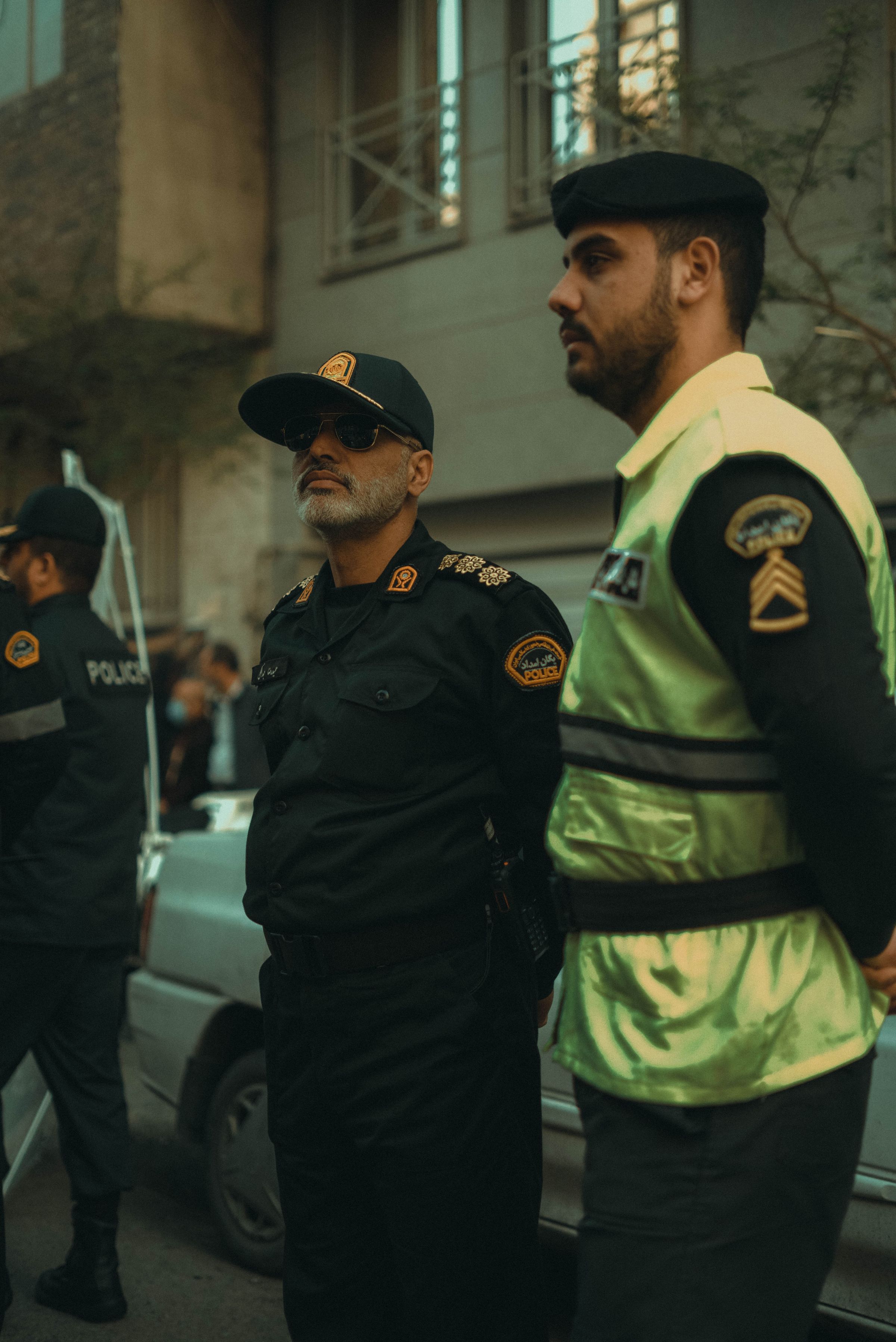
Four powers meet in Tehran to save fragile security deal
Mecca pact states convene first joint session as ratification and deployment move forward
The first joint meeting of its kind convened in Tehran on Monday, bringing Iran, Saudi Arabia, Turkiye and Pakistan around one table to keep a fragile regional security arrangement functioning amid escalating Houthi attacks on Saudi Arabia. Mohsen Rezaei, secretary of Iran’s Supreme National Security Council, hosted the session, attended by Saudi Defence Minister Khalid bin Salman Al Saud, Pakistan’s army chief Asim Munir and Turkish intelligence chief Ibrahim Kalin. Iranian state television described the talks as the first joint meeting of its kind, and state media published pictures of President Masoud Pezeshkian and Foreign Minister Abbas Araghchi taking part.
The gathering focused on “peace and security in the region”. In a joint statement afterwards, the four states “agreed to continue the dialogue to strengthen cooperation amongst the four regional countries, including for peace and security in the region”, according to the Iranian state-owned Press TV. The meeting marked the first high-level contact between Iran and the three members of the Mecca Joint Defence Agreement since Yemen’s Iran-aligned Houthi armed group escalated attacks on Saudi Arabia last month.
Delivery of the pact itself is moving in parallel. Turkiye, Pakistan and Saudi Arabia signed the Mecca Joint Defence Agreement in August, under which an armed attack on one member is considered an attack on all. The agreement’s first article says the parties shall use “all necessary means” to eliminate threats to one another’s territorial integrity, sovereignty and internationally recognised borders, according to the text publicised at the time. Ministers from the pact’s countries held an emergency meeting in Riyadh this month and agreed to ensure the “rapid deployment” of military forces and capabilities in Saudi Arabia. Ratification is under way on both sides: efforts by Turkiye’s parliament began last week and are still in progress, while Pakistan approved the pact last week.
On the operational side, the meeting addressed a set of concrete pressure points. A senior Pakistani security official told the Reuters news agency that the talks focused on building a regional nonaggression network, with an agenda covering negotiations between the United States and Iran, Houthi attacks on Saudi Arabia, the Strait of Hormuz and the US blockade of Iranian ports. Another Pakistani official told Reuters that Munir, with US President Donald Trump’s blessing to pursue diplomacy, had presented Iran with a proposal that would offer something to both Washington and Tehran, though the official did not give details. The states in the Mecca pact, along with Qatar, could act as guarantors if the proposal was accepted, the official said.
Rezaei framed the visit as evidence that US “threats have little impact on countries around the world”, and spoke of a “new and positive atmosphere” in the region. Earlier in the day, Rayed Krimly, the Saudi deputy minister for public diplomacy, said the visit forms part of continued efforts by the Mecca Joint Defence Agreement allies “for de-escalation between parties involved in the ongoing crisis and promoting dialogue and diplomatic solutions in support of the mediation efforts carried out” by Qatar and Pakistan. “The visit underscores the pivotal role of Mecca Joint Defence Agreement countries in reinforcing regional security and stability and working with all countries in the region to achieve that goal,” he wrote on X.
The backdrop is a deteriorating security picture. Saudi Arabia has faced weeks of attacks by Iran-backed Houthi rebels in Yemen, who are fighting forces of the country’s internationally recognised and Saudi-backed government, and Saudi air defences have intercepted missiles and drones, including a barrage near Mecca. Pakistan’s Field Marshal Munir visited Tehran last week, meeting Pezeshkian and other senior officials; during that visit, Iranian officials told him there would be no talks with the US about ending its war with Israel on Iran until Tehran’s demands were met, according to Iranian media. Pakistan has been a key intermediary between Washington and Tehran since the US and Israel launched the war in February, and earlier mediation helped produce an interim agreement in June that unravelled weeks later as fighting resumed. Conflict then flared between the Houthis and Saudi Arabia, opening a new front and deepening the humanitarian crisis in Yemen. The Houthi attacks have become an increasingly destabilising element in the US-Israel war on Iran, turning US ally Saudi Arabia into a pressure point in the wider war.
Further background on the talks is available at https://www.aljazeera.com/news/2026/10/26/officials-from-mecca-pact-states-to-hold-talks-in-iran-amid-regional-tensions. The question now is whether the agreed dialogue can translate into a functioning de-escalation mechanism on the ground.
Q&A
Who attended the Tehran meeting and who hosted it?
Mohsen Rezaei, secretary of Iran's Supreme National Security Council, hosted the session. Attendees included Saudi Defence Minister Khalid bin Salman Al Saud, Pakistan's army chief Asim Munir and Turkish intelligence chief Ibrahim Kalin. President Masoud Pezeshkian and Foreign Minister Abbas Araghchi also took part, according to state media pictures.
What does the Mecca Joint Defence Agreement commit its members to?
Signed in August by Turkiye, Pakistan and Saudi Arabia, the agreement treats an armed attack on one member as an attack on all. Its first article says the parties shall use all necessary means to eliminate threats to one another's territorial integrity, sovereignty and internationally recognised borders.
What concrete operational issues were on the meeting's agenda?
According to a senior Pakistani security official, the talks focused on building a regional nonaggression network, covering negotiations between the United States and Iran, Houthi attacks on Saudi Arabia, the Strait of Hormuz and the US blockade of Iranian ports.
What proposal did Pakistan present, and who could guarantee it?
Asim Munir, with US President Donald Trump's blessing to pursue diplomacy, presented Iran with a proposal offering something to both Washington and Tehran, though details were not given. The Mecca pact states, along with Qatar, could act as guarantors if the proposal was accepted.