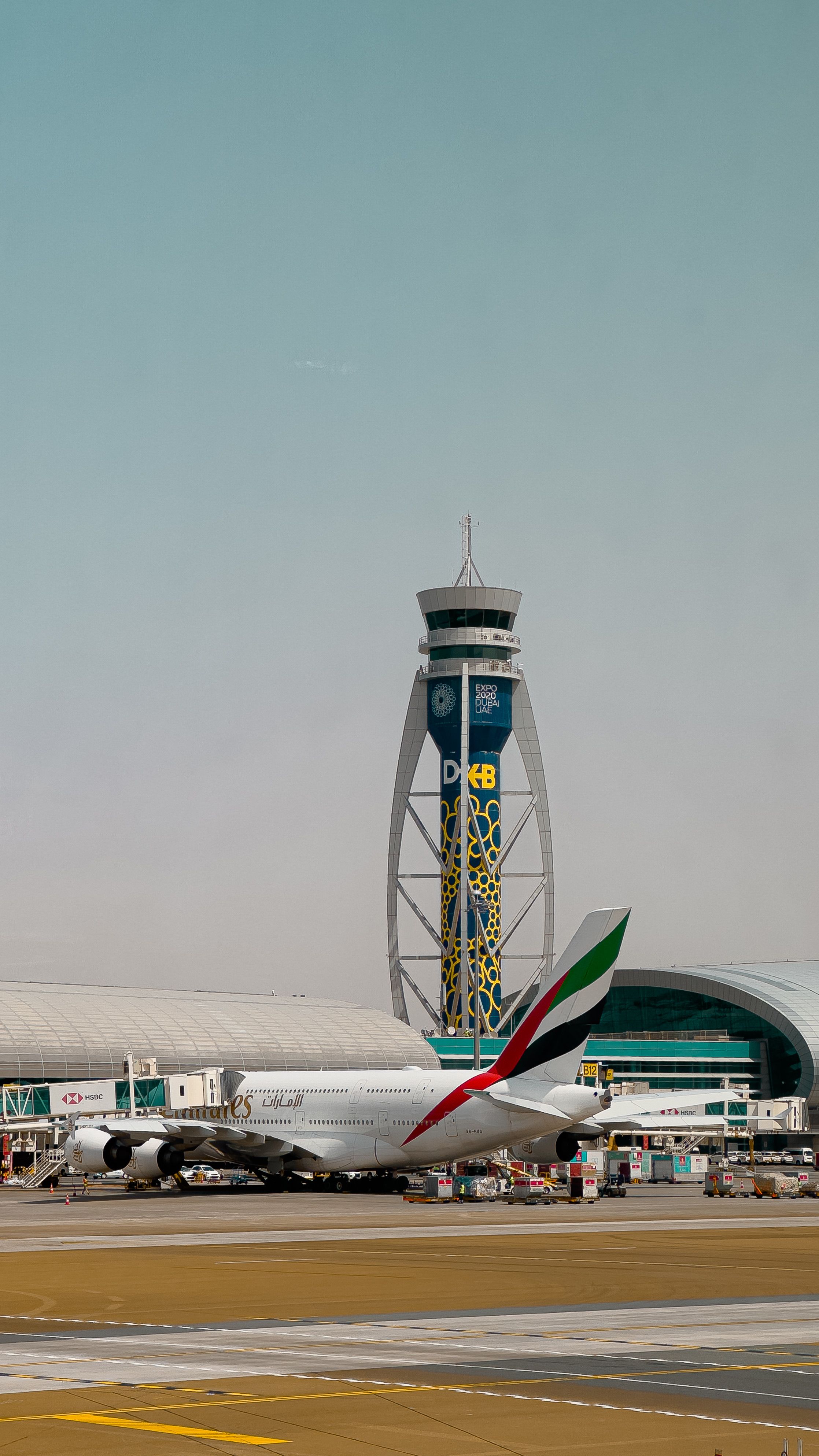
Dubai flights run on schedule as carriers weigh suspensions
Air routes are back, but delays and carrier suspensions show recovery is incomplete
Travellers weighing a trip to Dubai or Abu Dhabi face a mixed operational picture. Commercial flights between the UK and the UAE are running as normal, yet several major carriers have cancelled or temporarily suspended routes in the region, and airport delays remain a visible sign of the strain.
As of 12 October, the UK’s Foreign Office (FCDO) no longer advises against “all but essential travel” to the UAE, a recommendation it lifted in June after months in place following the outbreak of conflict between Iran and the US in February. No new travel recommendations have been introduced since. That shift matters in practical terms: because the FCDO no longer warns against non-essential travel, travel insurance is likely to remain valid for anyone booking a trip, though individual policies should be checked. Insurance can be invalidated if someone travels against FCDO advice.
The delivery picture on the ground is more uneven. On Monday morning, 111 flights were delayed at Abu Dhabi’s Zayed International airport and 291 at Dubai International. British Airways plans to recommence Dubai flights on 3 November, but will not restart services to Abu Dhabi until winter 2027. Virgin Atlantic, likewise, will not resume its Dubai flights until winter 2027. Under air passengers’ rights rules, travellers whose flights are cancelled are entitled to be flown to their destination as soon as possible on any airline with available seats.
Behind these operational decisions lies a region still under active warning. Earlier this year, missiles and drones hit Dubai, and a series of explosions were reported in Dubai and Abu Dhabi as the conflict between America and Iran intensified. The FCDO continues to display advice for travellers amid ongoing regional tensions, stating that “the situation in the Middle East remains unpredictable.”
“Since 8 July there have been strikes and retaliatory attacks by Iran in a number of locations across the region against US military and civilian infrastructure. There is a risk of more attacks and unforeseen escalation in the region,” the FCDO says. “Before the ceasefire, the Iranian regime had stated its intention to target locations associated with the US and Israel, including organisations, businesses, facilities and institutions.”
For British nationals currently in the Middle East, the FCDO’s guidance is practical and specific. It says they should read its crisis abroad document, follow advice from local authorities, and sign up for FCDO travel advice email alerts. If conflict resumes, they should stay away from areas around security or military facilities, keep departure plans and travel documents up to date, and stay indoors if advised to take shelter. The FCDO also warns that British nationals should be prepared for possible flight cancellations, periodic airspace closures and potential travel disruptions.
Meanwhile, for those considering a future booking, the mechanics of cancellation are worth understanding. Package holidays are likely to start operating as usual, and travellers currently have no grounds to expect a refund if they cancel, or to claim money back through travel insurance. The position changes if the FCDO advice shifts to advise against all travel: in that case, a package holiday can be cancelled without penalty and with a full refund.
The overall picture is one of resumed but fragile delivery. The UAE’s ultra-modern cities remain popular among tourists, and the formal advisory barrier to visiting has been removed. But the resumption of normal service is incomplete. Two of the region’s busiest airports saw hundreds of delayed flights on a single morning, and major UK carriers are not scheduled to restore full route networks for years. Holidaymakers may still feel uncertain about travelling to the Middle East amid strikes in the region, and the FCDO’s own framing, that the situation remains unpredictable, suggests that both operators and travellers should plan for disruption even as flights continue to run.
Q&A
Are flights between the UK and the UAE currently operating?
Yes, commercial flights between the UK and the UAE are running as normal, though several major carriers have cancelled or temporarily suspended routes and hundreds of flights were delayed at Dubai International and Zayed International on one Monday morning.
When will British Airways and Virgin Atlantic restore their UAE routes?
British Airways plans to recommence Dubai flights on 3 November but will not restart Abu Dhabi services until winter 2027. Virgin Atlantic will not resume its Dubai flights until winter 2027.
What does the FCDO currently advise about travel to the UAE?
As of 12 October the FCDO no longer advises against all but essential travel to the UAE, a warning lifted in June. It still notes the situation in the Middle East remains unpredictable, with risks of further attacks and escalation, and advises British nationals to follow local authorities, sign up for alerts and prepare for possible flight cancellations and airspace closures.
What rights and refund options do travellers have?
Travellers whose flights are cancelled are entitled to be flown to their destination as soon as possible on any airline with available seats. Package holidays are likely to operate as usual, and there are currently no grounds for a refund on cancellation, but if the FCDO advises against all travel, a package holiday can be cancelled without penalty with a full refund.