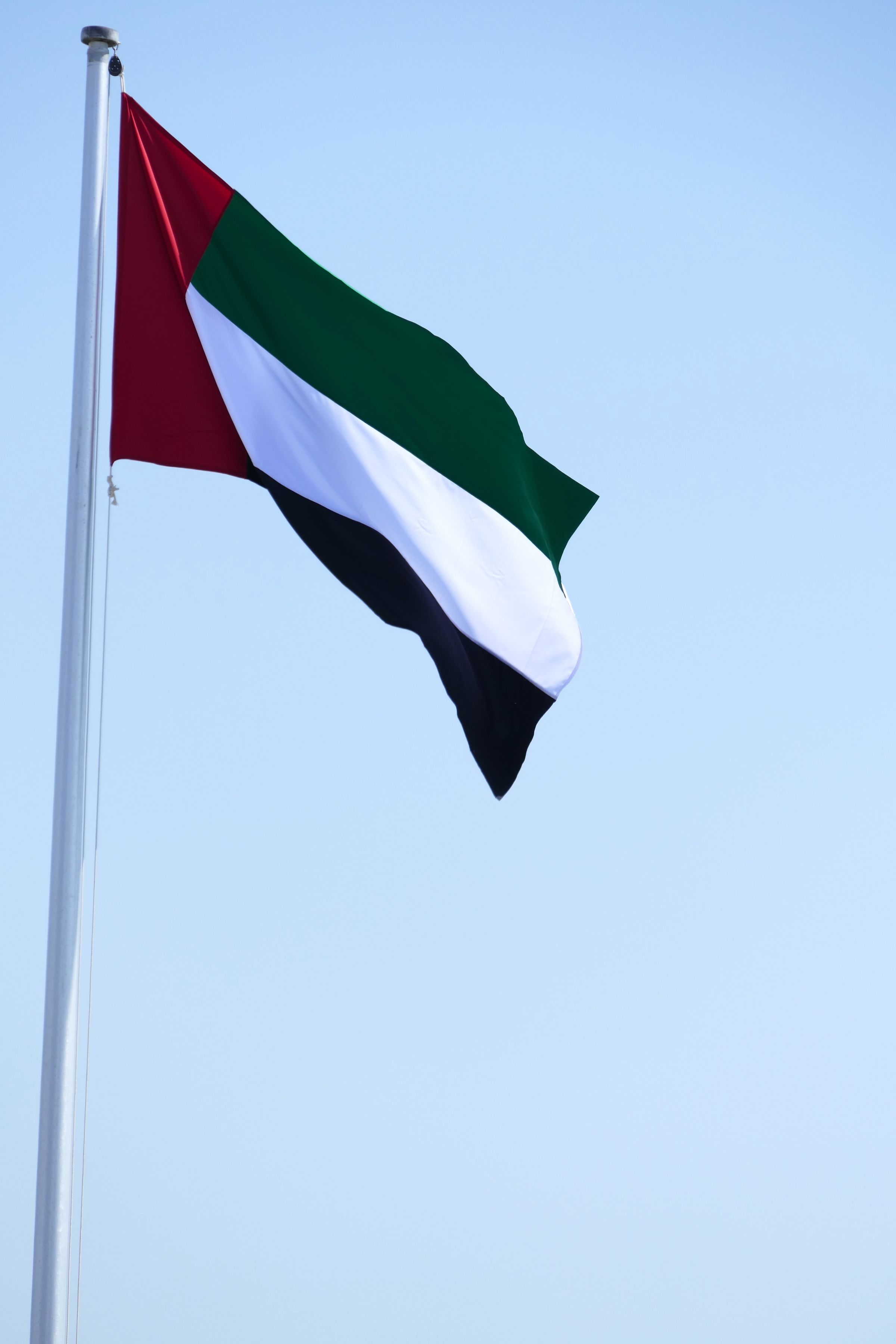
Why Washington Tech Talks Matter to Everyday Citizens
Washington diplomacy decides how AI, cyber and quantum tools reach the public.
For ordinary citizens on both sides of the Gulf, the practical stakes of a high-level diplomatic week in Washington may seem distant. Yet the decisions made in those meetings shape how quickly technologies such as artificial intelligence, cybersecurity tools and quantum computing reach the public, and under what safeguards. From 3 October 2026, a UAE delegation led by HE Omran Sharaf, the country’s Assistant Foreign Minister for Advanced Science and Technology Affairs, spent three days in the US capital working to deepen a technology, space and research partnership that officials on both sides describe as having direct consequences for the services and protections people rely on daily.
The delegation included HE Dr. Mohamed Al Kuwaiti, Head of Cyber Security for the UAE Government, alongside senior representatives from the Advanced Technology Research Council, the UAE Space Agency and Space42. Over three days, the group met senior officials and industry leaders across artificial intelligence, space, cybersecurity, export policy and quantum computing. These are the fields that increasingly determine the security and quality of everyday digital life.
A central item on the agenda was the A:5 export control designation, the first ever granted to an Arab state. The designation streamlines UAE-US technology trade and facilitates secure access for approved UAE entities, and it formally places the UAE among America’s most trusted partners for advanced technology. For the public, that trust framework matters because it governs how sensitive technologies move between the two countries and, by extension, how confidently they can be deployed in public-facing systems.
US officials who received the delegation included Under Secretary of State for Economic Affairs Jacob Helberg, Ambassador-at-Large Adam Cassady of the Bureau of Cyberspace and Digital Policy, Assistant Secretary of Commerce Taylor Jordan of the Office of Space Commerce, Office of Science and Technology Policy Director Michael Kratsios, Deputy Under Secretary for Innovation and Engagement Bill Guidera at the International Trade Administration, and ITA Deputy Assistant Secretary Mark Mitchell for the Office of Middle East and Africa. Discussions at the State Department, the Commerce Department and the White House Office of Science and Technology Policy tracked directly against the $1.4 trillion UAE-US technology investment framework agreed in March 2025.
The bilateral foundation behind this week’s engagements is layered. It runs from the 123 Agreement on Peaceful Nuclear Energy Cooperation to the UAE’s designation as a US Major Defense Partner. Officials frame the relationship as one that has grown from shared energy and security interests into a full-spectrum strategic alliance now extending into AI, space and emerging technology, areas where governments carry a duty to ensure public safety and fair access.
“The UAE-US partnership is built on more than five decades of trust across the most sensitive sectors, defense, intelligence and nuclear energy,” said HE Sharaf. “That same standard defines our approach to AI and advanced technology. Our investment, our infrastructure and our institutions are built around this partnership, and this week’s conversations reflect exactly that commitment.”
Beyond government, the delegation engaged institutions that inform public debate on technology policy. At the Hudson Institute, HE Sharaf met with President and CEO John P. Walters and senior fellows from the Center for Peace and Security in the Middle East. At the Johns Hopkins School of Advanced International Studies, he addressed students at an event co-hosted by the SAIS Foreign Policy Institute and the SAIS MENA Club, moderated by Senior Fellow Afshin Molavi, on technology, power and the new global order. The group also met Navin Girishankar, President of the Economic Security and Technology Department at the Center for Strategic and International Studies.
Meanwhile, on the industry side, HE Sharaf met with Jason Oxman, President and CEO of the Information Technology Industry Council, Christopher Mohr, President of the Software and Information Industry Association, and Niccolo De Masi, Chairman and CEO of IonQ. Those conversations, officials indicated, are intended to translate diplomatic commitments into technologies and services that eventually reach the public under trusted conditions. Whether that translation delivers tangible protections for everyday users, and how quickly, will be the measure of the week’s work.
Q&A
Who led the UAE delegation and what was its purpose?
HE Omran Sharaf, the UAE's Assistant Foreign Minister for Advanced Science and Technology Affairs, led a three-day delegation to Washington from 3 October 2026 to deepen a technology, space and research partnership with the US.
Why does the A:5 export control designation matter to the public?
It is the first ever granted to an Arab state and streamlines UAE-US technology trade. It governs how sensitive technologies move between the two countries and, by extension, how confidently they can be deployed in public-facing systems.
Which US officials and institutions did the delegation meet?
US officials included Jacob Helberg, Adam Cassady, Taylor Jordan, Michael Kratsios, Bill Guidera and Mark Mitchell, with meetings at the State Department, the Commerce Department and the White House Office of Science and Technology Policy. The delegation also engaged the Hudson Institute, Johns Hopkins SAIS and CSIS.
What is the scale of the underlying investment framework?
The discussions tracked against a $1.4 trillion UAE-US technology investment framework agreed in March 2025, built on foundations including the 123 Agreement on Peaceful Nuclear Energy Cooperation and the UAE's designation as a US Major Defense Partner.