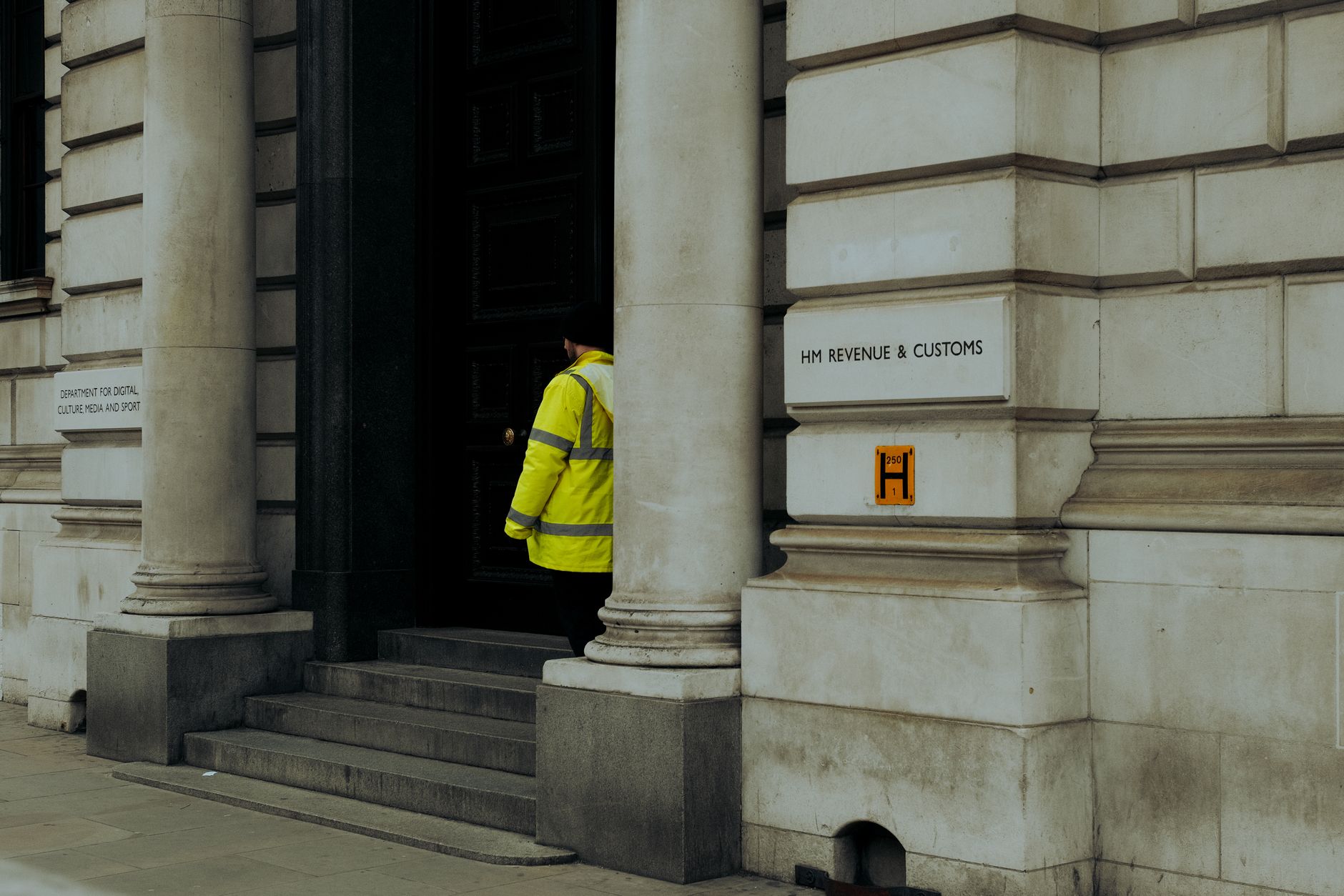
Dame Meg Hillier, chair of the Treasury Committee, has asked HMRC to examine whether the Premier League’s case against Manchester City carries consequences for the public purse. Her intervention puts the tax authority, which the committee oversees, under direct pressure to consider what the verdict revealed about money that would otherwise flow into public finances.
The verdict came on Tuesday. An independent commission found City guilty of all charges relating to breaches of the Premier League’s financial regulations across the seasons from 2009-10 to 2017-18. The club, which has repeatedly denied wrongdoing, has signalled an intention to lodge an appeal by Friday.
Hillier told the tax authority she would “welcome reassurance from HMRC that you are seized of the importance of these issues and the public interest in this case”. Her committee has also asked whether the department has requested the redacted documents contained within the commission’s report, a step that would determine what material is available for any tax scrutiny.
The sums at stake for the public are considerable. A report from the Tax Policy Associates claims City failed to pay as much as £12m in unpaid tax because of a “sham” contract with former manager Roberto Mancini. Beyond unpaid income tax and National Insurance, the report suggests the club could face a penalty charge that would take its liabilities to £24m, money that would otherwise go into public finances.
At the heart of the commission’s findings was the conclusion that City artificially inflated revenue through “sham” sponsorship agreements with the help of their owners, and “utilised devices” to “disguise the true extent of certain club liabilities”. The commission’s 40-page decision also addressed the club’s defence. City had “denied there had ever been any disguised funding scheme of the type alleged by the Premier League”, arguing instead that Abu Dhabi sponsors had always been liable for all recorded sponsorship fees and had paid them from their own funds, occasionally with financial assistance from the Abu Dhabi government. The commission rejected that submission as “untrue”, concluding it was an “explanation that the club had concocted well after the event in an attempt to obscure and conceal the realities of the disguised funding scheme”.
The scale of that scheme matters beyond football. Owners Abu Dhabi United Group (ADUG), a private investment company belonging to United Arab Emirates vice-president and deputy prime minister Sheikh Mansour, are said to have topped up the value of commercial deals to the tune of £830.69m as part of a “disguised funding scheme”, enabling the club to appear to comply with Premier League and Uefa financial rules. In its appeal, City is expected to argue that key sponsorship deals were funded by the Abu Dhabi government rather than the club’s owners. Sources have told BBC Sport, as first reported by the Daily Mail and the Times, that the club will tell an appeal board it has evidence showing money directed to state-owned sponsors came from the Abu Dhabi government. Premier League rules do allow state-owned bodies to sponsor clubs.
That argument is likely to renew debate over how separate City’s ownership really is from the Abu Dhabi state, and over the wider ramifications of club ownership with state connections. Sheikh Mansour is a member of Abu Dhabi’s ruling family and the brother of UAE President Sheikh Mohamed bin Zayed Al Nahyan. Since the 2008 takeover, City have insisted the club is a completely private enterprise, not state-owned, though some critics have questioned that distinction, and human rights campaigners have claimed the ownership has been used to “sportswash” the UAE.
Questions of accountability extend to the club’s leadership. Chairman Khaldoon Al Mubarak, appointed after the 2008 takeover, referred on Saturday to “irrefutable evidence” he claimed supports the club’s claims of innocence, and City have said the commission’s decision contained “clear material errors, of law, principle and fact, and is unsafe”. It has emerged that Al Mubarak is named as an Emirati diplomat on the UK government’s current directory of foreign representatives, a status under which representatives of foreign states and their diplomatic staff enjoy privileges and immunities under the Diplomatic Privileges Act (1964), including immunity from prosecution under criminal, civil and administrative laws.
The case also touches those drawn into its orbit. City’s principal sponsor Etihad Airways, owned by sovereign wealth fund L’Imad, which is chaired by the Crown Prince of Abu Dhabi, the son of the UAE president, said it is considering legal action against the Premier League, claiming the release of the findings had “damaging implications” despite the airline not being named in the redacted published findings. The airline said it “categorically rejects any finding, conclusion or implication that suggests the airline has ever been involved in improper commercial arrangements”. The Premier League declined to comment when contacted by BBC Sport.
For now, the immediate question for the public is whether the tax authority will pursue the documents and the sums at stake. The Treasury Committee’s letter makes clear that MPs regard the case as a matter of public interest, not merely a sporting dispute, and whether HMRC answers that call will shape what, if anything, the public recovers.