US-Iran Conflict Reshapes Gulf Commerce and Travel: What Residents Face Now
Tanker traffic through the Strait of Hormuz has begun to recover, but actual oil volumes remain far below pre-conflict levels, a gap that leaves markets uncertain and exposes the limits of any claim that the waterway has returned to normal. Shipping and tanker-tracking data confirm the partial improvement, yet the broader disruption to energy flows, aviation and maritime commerce continues to strain one of the world’s most critical corridors.
For UAE residents and businesses, the consequences are immediate and layered. Flight cancellations and delays persist across all major carriers operating from the Emirates. Air Arabia has cancelled several flights linking the UAE with Kuwait and Bahrain. At Dubai International, multiple Emirates and flydubai services have experienced delays, with routes to Abha and Kochi among those cancelled. Abu Dhabi’s Zayed International Airport saw an Air Arabia Abu Dhabi flight to Sialkot cancelled, while Etihad services to Charlotte and Boston were delayed. Despite these disruptions, Emirates and Etihad continue to operate selected flights between the UAE, Bahrain and Kuwait, and flydubai has maintained some Dubai-Abha services. Airlines and airports have cautioned that not all disruptions stem directly from regional security conditions, though the conflict remains the dominant factor shaping schedules.
The maritime picture is similarly contested. A dispute over the El Gaia, a Panama-flagged crude oil tanker, illustrates how difficult it is to establish facts in the strait. Iran’s Islamic Revolutionary Guard Corps claimed the vessel exploded and caught fire after hitting a naval mine. US Central Command rejected that account, asserting the tanker had previously been struck by an Iranian missile and was hit again by an Iranian drone over the weekend. Competing narratives of this kind raise war-risk insurance premiums and deter commercial shipping regardless of which version proves accurate.
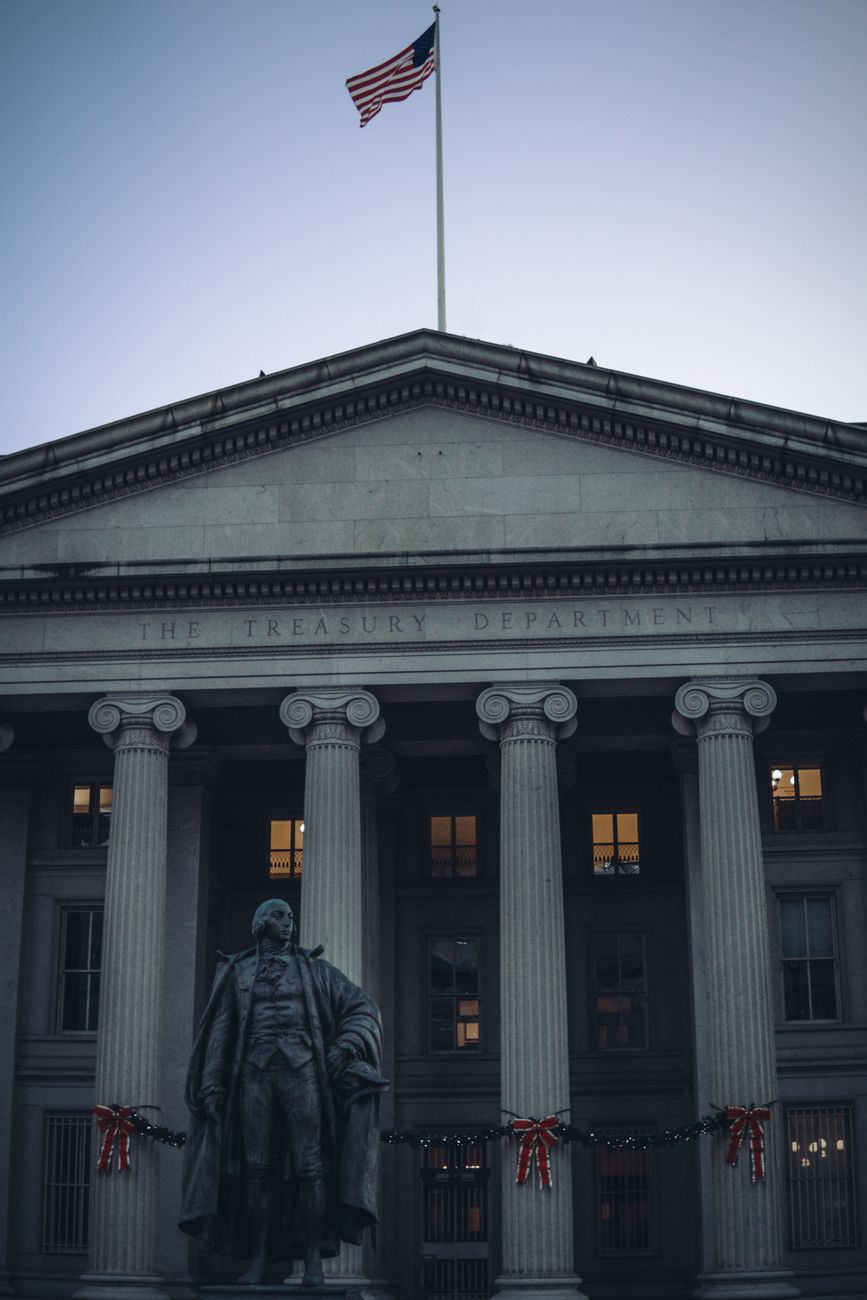
Meanwhile, Washington has intensified its economic pressure campaign against Tehran. On September 14, the US Treasury sanctioned Russia’s VTB Bank for allegedly helping Iran evade US sanctions by establishing correspondent relationships with sanctioned Iranian banks. Treasury Secretary Scott Bessent announced that Washington would continue targeting organisations providing financial, technological or material support to Iran. This followed September 8 sanctions against 36 entities connected with Iran’s aviation sector, including remaining Iranian airlines and foreign intermediaries. Bessent also called on people worldwide to supply information about entities helping Iran circumvent sanctions, noting that those offering actionable intelligence may qualify for Treasury rewards. The strategy extends well beyond military action to encompass financial networks, aircraft supply chains, technology access and trade channels.
Political signals from Washington remain mixed. President Trump has claimed that oil is flowing through Hormuz and argued that countries benefiting from US military protection should reimburse Washington for that security service, though he provided no details on how such reimbursement would be calculated or collected. Tanker data suggest Hormuz has not returned to normal operations, making the president’s assertion politically significant but not a measure of full commercial recovery. At the same time, Trump has signalled that diplomacy remains possible, stating he was “open” to US engagement with Iran and repeatedly claiming Iran wants a deal. Washington maintains that any agreement must address US security demands and prevent Iran from obtaining a nuclear weapon. These conflicting signals leave markets and Gulf governments attempting to determine whether the conflict is approaching a diplomatic resolution or another phase of escalation.
International dimensions of the dispute have also sharpened. Iran protested after Mohammad Eslami, head of the Atomic Energy Organization of Iran, was prevented from attending this week’s IAEA General Conference in Vienna. Eslami is subject to UN sanctions that include a travel ban, and Iran has accused the US of pressuring Austria over his attendance. The dispute carries particular weight because the IAEA has been unable to verify the status of Iran’s stockpile of highly enriched uranium since strikes on Iranian nuclear sites, according to the agency.
For UAE residents, the near-term risks centre on flight disruption, higher oil and insurance costs, shipping delays and potential further regional escalation. Travellers should verify flight status directly with their airline before departing for the airport, as schedules can change rapidly. Allow extra time at the airport, keep phones switched on for airline notifications, expect last-minute changes if regional airspace is restricted, and check connecting flights separately if travelling through another Gulf hub.
The immediate outlook is one of partial maritime recovery alongside continuing strategic disruption, with energy flows far below normal. Whether current trends stabilise or reverse depends in large part on whether Washington and Tehran find a diplomatic opening, or whether the next incident in the strait forecloses one.